

The textile industry has one of the highest production volumes worldwide. However, this scale also creates serious environmental impacts. Millions of tons of textile waste appear each year. Recycling facilities process only a small part of this waste. This situation forms an unsustainable cycle for both the environment and the economy. That is why the concept of textile recovery sits at the core of modern production. Recovery lowers waste, optimizes raw material use, reduces the carbon footprint, and supports efficient resource management.
Marsala Tekstil stands out as a pioneer in this transformation in Turkey. The company strengthens waste management through an environmentally conscious production approach. Sustainability guides every step of its operations. With its textile recycling systems, Marsala Tekstil has become a strong representative of the circular economy. This vision shapes not only production, but also supply, logistics, and product design processes.
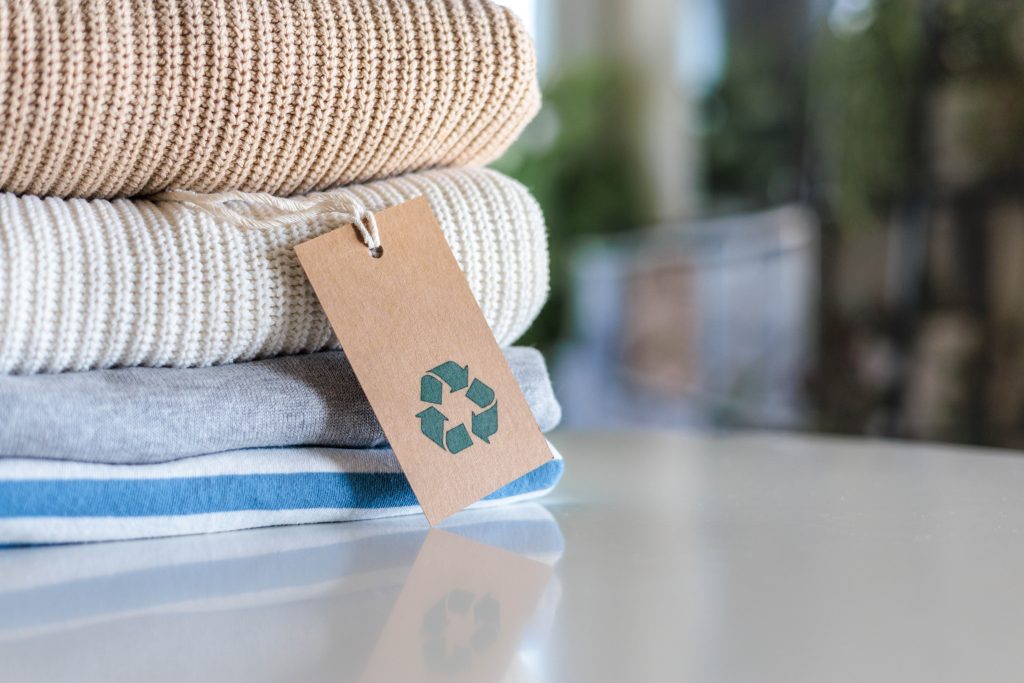
What is Textile Recycling and Why is it Important?
Textile recycling refers to a process where teams convert fabric, yarn, and fiber waste into a reusable structure. This waste appears after production or consumption. The method protects resources and limits environmental harm. The recycling cycle includes collecting the waste, separating it, reprocessing it, and adding it back into production.
Traditional textile production consumes high amounts of energy and wastes water. In contrast, the recycling system reduces the need for new production by reevaluating existing materials. This reduces the pressure on the environment. The recycling process also provides cost advantages to producers. Energy and raw material savings create both economic and environmental benefits.
Marsala Tekstil bu yaklaşımı benimser ve üretim döngüsünü sürdürülebilir bir modele dönüştürmek için aktif adımlar atar.
It reviews every fabric with a recycling focus and places this focus at the core of its production plan.
Marsala Textile’s Waste Management Approach
Waste management forms one of the core elements of sustainable production. Marsala Tekstil treats every waste product in the production flow as a valuable resource. The company manages each step actively, from fabric cutting to the waste that appears during dyeing. During this process, it follows the principles of prevention, reduction, reuse, and recycling with strict discipline.
Marsala Tekstil builds its waste management policy on a system that classifies each material according to its recovery potential. This system helps teams sort usable fibers with precision and return them directly to production. The company also operates an integrated recycling system on its production lines. During dyeing, teams choose low-water-consumption technologies and apply energy-efficient methods without delay.
This approach protects the environment and also strengthens operational efficiency. A well-structured waste management model prevents resource loss and lowers production costs. Marsala Tekstil sees waste management as a central part of its production strategy rather than a secondary task.
The Reprocessing Process in Recycling Systems
At the heart of textile recycling are remanufacturing technologies. Thanks to these technologies, teams recycle unused fabric scraps, yarn, and fiber waste back into production.
Marsala Tekstil uses advanced technology equipment in this process. It integrates systems such as mechanical recycling, chemical recycling, and yarn remanufacturing.
Mechanical recycling involves separating the fabric into fibers and reprocessing them into yarn. Chemical recycling enables the molecular-level transformation of synthetic materials. Through these methods, teams convert a significant portion of textile waste into a reusable form.
Thus, remanufacturing processes become a tangible part of the company’s sustainability vision.
Marsala Tekstil does not view this process as a production necessity. It also treats it as a fundamental environmental policy. The remanufacturing approach makes each new fabric unique. Teams breathe new life into fabrics by using recycled materials. This allows teams to reduce waste. It also optimizes raw material requirements appropriately.
Contributions of Textile Recycling to the Industry
Textile recycling contributes significantly not only to the environment but also to the industry as a whole. First, it reduces costs by decreasing the need for raw materials. This enhances companies’ competitiveness. Second, energy consumption decreases and carbon emissions are reduced. Third, the concept of sustainable production strengthens brands’ environmental awareness and provides them with a distinct corporate identity.
Marsala Tekstil brings these advantages to the sector while also raising awareness among its suppliers. The waste management and recycling system is implemented not only within the company but also at different stages of the supply chain. This approach forms the basis of a sustainable ecosystem and supports the circular economy model.
Marsala Textile’s Sustainability Vision
Since its inception, the company has pursued an environmentally conscious production policy. The company aims not only to produce high-quality fabrics but also to build a sustainable future. In line with this goal, it invests in energy efficiency projects, wastewater treatment systems, and recycling technologies.
It also utilizes renewable energy sources to reduce its carbon footprint at its production facilities. Solar panels, waste heat recovery systems, and environmentally friendly painting lines are important parts of this vision. With all these investments, Marsala Tekstil thinks not only about today but also about the future.
One of the strongest elements of this vision is employee awareness. The company runs regular training programs to ensure that every employee is environmentally conscious. In this way, sustainable production becomes part of the corporate culture and is reflected in all processes.
Result: A Future Strengthened by the Circular Economy
The textile industry must now focus not only on production speed but also on its environmental impact. The future of textiles is built on recovery and remanufacturing. Marsala Tekstil plays an active role in this transformation, becoming a true representative of the circular economy.
Every fabric is produced not just as a product, but as part of a sustainable vision. Textile recycling is no longer an option, but a necessity. Marsala Tekstil turns this necessity into an opportunity and shapes the future of the industry with its environmentally conscious production.
As a result, textile recycling systems directly support sustainable production. Marsala Textile’s investments in this area contribute to Turkey’s green production goals. Every fabric that protects the future becomes a reflection of Marsala’s understanding of sustainability. For more information on this topic, visit our blog page.

Frequently Asked Questions
1. What is textile recycling?
Textile recycling is the revaluation and reintroduction of fabric and yarn waste generated after production or use back into the production cycle.
2. What systems does Marsala Tekstil use in the recycling process?
Marsala Tekstil uses both mechanical and chemical recycling systems; it enables the reprocessing of fibers and their inclusion in new production processes.
3. How does textile recycling benefit the environment?
It reduces waste, saves energy, lowers raw material requirements, and reduces carbon emissions, thereby alleviating the environmental burden.
4. What is Marsala Textile’s sustainability vision?
Marsala Tekstil adopts environmentally friendly practices at every stage, from production to energy use, invests in recycling systems, and supports the circular economy model.
5. What is the sectoral importance of textile recovery?
Textile recovery ensures environmental sustainability and increases the competitiveness of businesses by reducing costs, thereby adding long-term value to the sector.