
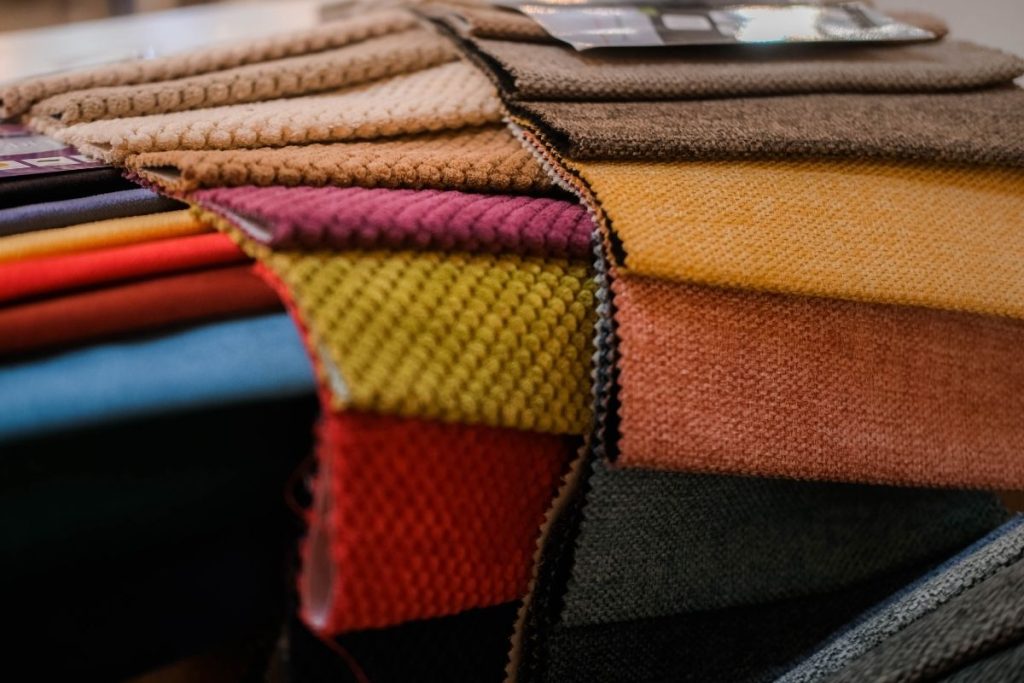
Fabric Manufacturing: Key Stages of Quality and Sustainable Textile Production
Introduction
Fabric manufacturing is one of the core stages of developing high-quality, durable, and functional textile products. From apparel and home textiles to technical textiles and upholstery, many industries depend on a well-planned fabric production process. Therefore, fabric should not only look aesthetically pleasing. It should also offer comfort, functionality, long-lasting performance, and suitability for its intended use.
Competition in the textile industry grows stronger every year. Brands no longer work only with suppliers that produce quickly. They prefer manufacturers that can maintain quality consistently. At this point, fabric manufacturing becomes a comprehensive process shaped by raw material selection, yarn quality, production technology, dyeing and finishing operations, and quality control.
Marsala approaches modern textile production through quality, design, and sustainability. Every detail, from the first idea of the fabric to the final inspection stage, affects the performance of the end product. For this reason, professional fabric production gains value not only through machinery but also through experience, technical knowledge, and accurate planning.
Table of Contents
- What Is Fabric Manufacturing?
- Raw Material Selection in Fabric Manufacturing
- How Does the Fabric Production Process Work?
- Differences Between Woven and Knitted Fabric Production
- The Importance of Dyeing, Finishing, and Finishing Treatments
- Quality Control in Fabric Manufacturing
- Why Is Sustainable Fabric Manufacturing Important?
- What Should Brands Consider When Choosing a Professional Fabric Manufacturer?
- Frequently Asked Questions
- Conclusion
What Is Fabric Manufacturing?

Fabric manufacturing is the process of transforming fibers or yarns into textile surfaces through specific techniques. During this process, the manufacturer evaluates the raw material, yarn structure, production method, fabric weight, texture, elasticity, and final area of use together. As a result, fabric becomes more than a textile surface. It turns into a technical product that responds to a specific need.
The main goal of fabric production is to achieve performance suitable for the intended use. For example, softness and comfort stand out in everyday clothing. In sportswear, elasticity, breathability, and moisture management become more important. In home textiles, durability, color fastness, and long-term use are decisive factors.
For this reason, fabric manufacturing is not a single-step operation. The process includes planning, raw material selection, yarn preparation, fabric formation, dyeing, finishing, special finishing treatments, and quality control. Each stage affects the result of the previous step. Therefore, professional manufacturers manage the process with a quality-focused approach rather than focusing only on speed.
Marsala combines aesthetic expectations with technical competence in fabric production. In collection, sampling, and bulk production processes, it considers both the design value and the performance value of the fabric.
Raw Material Selection in Fabric Manufacturing
Raw material selection is one of the most important stages of fabric manufacturing. The texture, durability, shine, elasticity, and comfort of the fabric largely depend on the raw material. Cotton, viscose, polyester, elastane, linen, wool, and blended yarns offer different properties.
Cotton is widely preferred in everyday clothing because of its natural structure and breathability. Viscose stands out in fashion textiles with its fluid appearance and soft touch. Polyester offers broad usage opportunities thanks to its durability and easy-care advantages. Elastane gives flexibility to the fabric. Therefore, it plays an important role in products that require comfort and freedom of movement.
Raw material selection does not only focus on the appearance of the fabric. The manufacturer also evaluates the following criteria:
- Product category of the fabric
- Seasonal needs
- Elasticity expectations
- Washing durability
- Color retention performance
- Hand feel and drape properties
- Sustainability goals
- Cost and production planning
The right raw material choice determines the quality of all subsequent production stages. An unsuitable yarn or fiber may cause problems in many areas, from dye absorption capacity to shrinkage rate. Therefore, technical analysis should take place before production begins.
Marsala plans raw material selection by considering the target usage area of the fabric. In this way, it develops fabric solutions that create a balanced structure of aesthetics, quality, and function for brands.
How Does the Fabric Production Process Work?
Fabric manufacturing follows a systematic production process with specific stages. The machinery and techniques used may differ from one production facility to another. However, the basic workflow usually depends on similar principles.
In the first stage, the product need is identified. The manufacturer analyzes the industry, product group, and performance expectations of the fabric. Then, the right raw material and yarn structure are selected. This stage directly determines the character of the fabric.
In the next step, yarns are prepared according to the production technique. In woven fabrics, warp and weft systems are planned. In knitted fabrics, loop structure, machine type, and knitting form are determined. After the fabric surface is formed, the greige fabric is checked. This inspection helps the dyeing and finishing processes move forward more accurately.
The general stages of the production process can be summarized as follows:
- Identifying product and fabric needs
- Selecting raw materials and yarns
- Preparing woven or knitted production planning
- Producing greige fabric
- Performing preliminary inspections
- Applying dyeing and finishing processes
- Carrying out final finishing treatments
- Completing final quality control
- Packaging and shipment
Each stage should be managed carefully. For example, if a defect in greige fabric is not detected before dyeing, the problem may become more visible in the final product. Similarly, if finishing treatment is not applied correctly, the fabric may not deliver the desired touch, drape, or durability.
Success in fabric manufacturing depends on managing every link in this chain correctly. Marsala sees the production process not only as a technical operation but also as a strategic process that shapes the quality of brand collections.
Differences Between Woven and Knitted Fabric Production
When discussing fabric manufacturing, woven and knitted production are among the most fundamental techniques. Both methods create textile surfaces from yarns. However, they offer different characteristics in terms of technical structure, usage area, and fabric behavior.
Woven fabric is formed by interlacing warp and weft yarns at right angles. This structure gives the fabric a more stable form. Woven fabrics are frequently used in shirts, trousers, jackets, home textiles, and technical products. They usually offer a more structured, shape-retaining, and durable surface.
Knitted fabric is formed by bringing yarns together through loop structures. This structure gives the fabric natural elasticity. Knitted fabrics are widely used in T-shirts, sweatshirts, underwear, sportswear, and casualwear. They provide strong advantages in terms of softness, elasticity, and comfort.
The main differences between woven and knitted fabrics are as follows:
- Woven fabric has a more stable structure.
- Knitted fabric offers greater flexibility.
- Woven fabric is advantageous in products that require form.
- Knitted fabric stands out in comfort-oriented products.
- Woven production uses warp and weft systems.
- Knitted production depends on loop structure.
- Both production methods offer different design possibilities.
Brands should select the most suitable fabric structure according to their collection plans. For example, woven fabric may provide better results for a premium shirt collection. On the other hand, knitted fabric may be more suitable for a comfort-focused capsule collection.
Marsala evaluates different fabric structures according to collection needs. In this way, it offers fabric options that align with brand design language, remain feasible in production, and support user experience.
The Importance of Dyeing, Finishing, and Finishing Treatments
Fabric manufacturing does not end with greige fabric production. Dyeing, finishing, and special finishing treatments are among the most important stages that give fabric its final character. These operations affect color, hand feel, brightness, softness, shrinkage values, and usage performance.
Dyeing gives the fabric the desired color. However, in professional production, color is not only a visual element. Color fastness, washing durability, and batch consistency are also highly important. Maintaining the same color appearance across different production batches is a critical issue for brand quality.
Finishing processes help remove unwanted residues from the fabric and prepare it for its intended use. Pre-treatment, washing, drying, fixation, sanforizing, mercerizing, or similar processes may vary depending on the fabric type. Each operation affects the final performance of the fabric.
Special finishing treatments give the fabric its final properties. At this stage, the fabric can become softer, fuller, brighter, more fluid, or more functional. In some fabrics, additional features such as water repellency, wrinkle resistance, or a special touch can also be supported through finishing treatments.
Managing these stages correctly provides a major advantage, especially for fashion and ready-to-wear brands. Consumers evaluate fabric not only by sight but also by touch and use. The feeling that the fabric leaves in the hand directly affects product perception.
Marsala gives importance to the balance of color, touch, and performance in fabric production. As a result, fabrics create a strong effect not only on the collection board but also in the final user experience.
Quality Control in Fabric Manufacturing
Quality control is one of the most critical stages in fabric manufacturing. A production process completed without quality control may create serious risks for brands. Problems such as color variation, holes, stains, yarn defects, width differences, shrinkage issues, or weight deviations may cause cost losses in the final product.
Quality control should not take place only at the end of production. Professional manufacturers monitor quality throughout the entire process. Raw material control, yarn control, greige fabric inspection, post-dyeing control, and final inspection are important for this reason.
In fabric quality control, the following criteria are usually evaluated:
- Fabric width
- Fabric weight
- Color consistency
- Stains and surface defects
- Holes or yarn runs
- Hand feel quality
- Shrinkage rate
- Elasticity performance
- Appearance after washing
- Batch consistency
These controls create trust for both the manufacturer and the brand. When quality problems are detected early, correction becomes easier. On the other hand, fabric defects that appear in the final product may negatively affect the production plan, delivery time, and cost.
Quality control also plays a decisive role in brand reputation. When the end user experiences a problem with the fabric of a purchased product, they directly associate this issue with brand quality. Therefore, choosing the right fabric manufacturer also affects customer satisfaction.
Marsala extends its quality control approach across the entire production process. In this way, it aims to provide reliable, consistent, and collection-standard fabric production for brands.
Why Is Sustainable Fabric Manufacturing Important?
The textile industry has a high production volume. Therefore, sustainability has become increasingly important in fabric manufacturing processes. Brands no longer want to develop only aesthetic products. They also prefer suppliers that reduce environmental impact, use resources more efficiently, and adopt a responsible production approach.
Sustainable fabric production covers many areas, from raw material selection and energy use to water consumption and waste management. Proper planning reduces environmental impact and increases production efficiency in the long term.
The following areas stand out in this approach:
- More conscious raw material selection
- Energy efficiency
- Optimized water use
- Chemical management
- Waste reduction
- Longer-lasting fabric design
- Lower waste rates through quality
- Traceable production processes
Sustainability is not only an environmental concept. It is also important in terms of economy and brand value. Quality fabric lasts longer. Longer-lasting products slow down the consumption cycle. This contributes to a more responsible production model for brands.
The importance of responsible textile production is also emphasized in the European Commission’s sustainable and circular textiles strategy.
Marsala approaches sustainability in textile production together with quality. When the design power, production efficiency, and lifespan of fabric are evaluated together, a stronger value emerges for brands.
What Should Brands Consider When Choosing a Professional Fabric Manufacturer?
Choosing the right manufacturer is a strategic decision for brands that need fabric manufacturing. Fabric is the foundation of a collection. Poor-quality fabric can weaken even a well-designed product. Therefore, making decisions based only on price is not the right approach.
A professional fabric manufacturer should understand the needs of the brand, offer technical suggestions, and manage the production process transparently. It should also create trust in quality control, delivery planning, and sustainability.
Brands should consider the following criteria when choosing a fabric manufacturer:
- Production experience
- Raw material knowledge
- Fabric variety
- Sample development capacity
- Quality control system
- Color and batch consistency
- Delivery planning
- Technical support approach
- Sustainable production vision
- Compatibility with brand needs
The right manufacturer does not only sell fabric to the brand. It also provides technical support during the collection development process. It analyzes which fabric will perform better in which product group, which hand feel will be more suitable for the target audience, and which production details may create risks.
To explore more insights on textile production, fabric technologies, and sustainable manufacturing, you can visit Marsala’s blog page.
At this point, Marsala offers a solution partner approach for brands. With its modern production infrastructure, fabric knowledge, and collection-oriented perspective, it supports the quality goals of textile brands. In this way, fabric manufacturing becomes more than a supply process. It turns into a production partnership that strengthens brand value.
Frequently Asked Questions
How is fabric manufacturing done?
Fabric manufacturing consists of raw material selection, yarn preparation, woven or knitted production, dyeing, finishing, special finishing treatments, and quality control. The manufacturer plans this process according to the intended use of the fabric. As a result, the fabric reaches the desired appearance, durability, and comfort properties.
What is the most important stage in fabric production?
No stage in fabric production is completely independent from the others. However, raw material selection and quality control are critically important. The right raw material determines the character of the fabric. Quality control ensures that the production process is completed reliably.
What is the difference between woven fabric and knitted fabric?
Woven fabric is formed by interlacing warp and weft yarns at right angles. It offers a more stable and shape-retaining structure. Knitted fabric is produced with loop structures. It provides a softer, more flexible, and more comfortable use.
Why is quality control important in fabric manufacturing?
Quality control detects possible defects, stains, color differences, weight deviations, width problems, or shrinkage risks in the fabric. Through these checks, the manufacturer can identify issues early. The brand can develop more reliable products that comply with quality standards.
Does fabric selection affect product quality?
Yes, fabric selection directly affects product quality. The touch, elasticity, durability, color performance, and comfort of the fabric define the perception of the final product. Therefore, brands should approach fabric selection strategically when planning collections.
What does sustainable fabric manufacturing mean?
Sustainable fabric manufacturing aims to reduce environmental impact during production. This approach includes conscious raw material selection, water and energy efficiency, waste reduction, lower defect rates through quality, and long-lasting fabric production.
What should brands consider when choosing a fabric manufacturer?
Brands should consider production experience, quality control systems, fabric variety, technical support, sample development capacity, and sustainability approach when choosing a fabric manufacturer. It is also important that the manufacturer understands the collection goals of the brand.
How does Marsala contribute to brands in fabric manufacturing?
Marsala brings quality, design, technical knowledge, and sustainable production together in fabric manufacturing. It develops fabric solutions suitable for the collection needs of brands and manages the production process with a reliable partnership approach.
Conclusion
Fabric manufacturing is a core process that directly affects quality, design, and user experience in the textile industry. Successful production does not depend only on machinery. Raw material knowledge, production technique, dyeing and finishing expertise, quality control discipline, and sustainability vision should work together.
For brands, choosing the right fabric is one of the most important factors that shape collection success. The texture, color, durability, and comfort of fabric strengthen the relationship between the end user and the product. Therefore, working with professional fabric manufacturers provides a major advantage for long-term brand value.
Marsala combines modern textile understanding with quality and design in fabric manufacturing processes. It focuses on details at every stage, from production to inspection. As a result, it offers reliable, aesthetic, and sustainable fabric solutions for brands. Marsala knows that fabric is not only a material but also a powerful element that carries the identity of a brand. With this perspective, it aims to create lasting value in textile production.