
Introduction
Modal fabric uses cover a wide range of textile applications, from everyday clothing and underwear to loungewear, sportswear, and home textiles. Thanks to its soft texture, smooth surface, flowing drape, and moisture-management properties, modal has become a versatile material for both fashion brands and textile manufacturers.
Modal is a regenerated cellulosic fiber made from wood-based cellulose. Its naturally soft feel makes it particularly suitable for textile products that come into direct contact with the skin. Modal fibers can also be blended with other fibers, allowing manufacturers to develop fabrics with different levels of elasticity, durability, drape, and comfort.
However, determining the ideal use of modal fabric requires more than simply looking at the fiber type. Fabric weight, knit or woven construction, modal percentage, additional fibers, finishing treatments, and the intended end use all influence the final performance of the textile.
At Marsala Textile, fabric selection is approached by considering not only visual appearance but also texture, performance, comfort, and the requirements of the final collection. In this article, we explore the most common modal fabric uses, the product categories in which modal is preferred, and the characteristics that make this fabric suitable for different textile applications.
Table of Contents
- What Is Modal Fabric?
- Why Is Modal Fabric Used in Different Applications?
- Applications in Everyday Clothing
- Why It Works Well for Underwear
- Comfort in Pajamas and Loungewear
- Modal Fabric in Sportswear
- Modal Fabric in Home Textiles
- Which Seasons Is Modal Fabric Suitable For?
- Uses of Modal Blend Fabrics
- What to Consider When Choosing Modal Fabric
- Frequently Asked Questions
- Conclusion
What Is Modal Fabric?
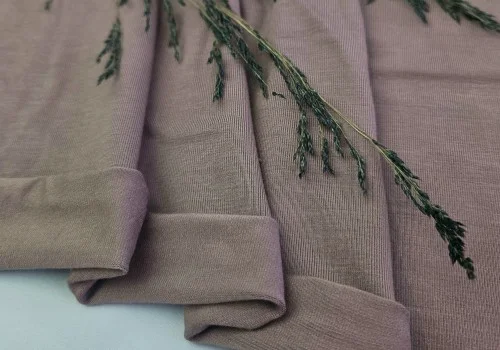
Modal is a cellulose-based textile fiber. During production, cellulose obtained from wood pulp is processed into fibers that can be used in textile manufacturing. Beechwood is especially associated with the production of modal fibers.
One of the most distinctive characteristics of modal is its soft and smooth surface. This structure can create a comfortable feel against the skin, making modal particularly suitable for T-shirts, underwear, pajamas, loungewear, and other products that remain in direct contact with the body.
Another important feature of modal is its ability to be blended with various textile fibers. Modal can be combined with cotton, elastane, and other cellulosic fibers to create different fabric structures depending on the requirements of the final product.
Modal is a cellulose-based textile fiber. During production, cellulose obtained from wood pulp is processed into fibers that can be used in textile manufacturing. Beechwood is especially associated with the production of modal fibers. You can discover its characteristics in detail in our related article.
Why Is Modal Fabric Used in Different Applications?
The wide variety of modal fabric uses is largely related to the adaptability of the fiber. Different textile products have different performance requirements. Underwear focuses heavily on softness and comfort, while dresses may require fluid drape, and sportswear may need flexibility and effective moisture management.
Modal fabrics can be manufactured in different weights, constructions, and fiber blends. As a result, their performance can be adjusted according to the intended application.
Some of the key characteristics that contribute to the popularity of modal fabric include:
- Soft and smooth surface feel
- Fluid and elegant drape
- Effective moisture management
- Comfortable feel against the skin
- Ability to blend with other fibers
- Suitability for rich and vibrant colors
- Versatility across different textile constructions
- Suitability for everyday clothing applications
The moisture-management characteristics of modal fibers can help create a more comfortable microclimate around the skin. This is one of the reasons modal is frequently used in garments that are worn for extended periods.
Applications in Everyday Clothing
The apparel industry represents one of the largest areas of modal fabric use. Thanks to its soft hand feel and flowing structure, modal can be used in both casual clothing and more refined fashion designs.
Modal is particularly suitable for garments where movement and drape are important. In products such as dresses, blouses, and T-shirts, the way a fabric falls over the body can significantly influence the appearance and comfort of the final garment.
Modal fabric is commonly used in products such as:
- T-shirts
- Blouses
- Dresses
- Tank tops
- Shirts
- Skirts
- Leggings
- Loungewear
- Underwear
- Pajamas and nightwear
The ideal modal fabric structure depends on the product category. Lightweight modal fabrics may be preferred for summer blouses and T-shirts, while heavier or blended constructions can be used in garments designed for year-round wear.
At Marsala Textile, the relationship between design and end use plays an important role in fabric development. For this reason, selecting modal fabric involves evaluating not only fiber composition but also the silhouette, season, structure, and performance expectations of the final collection.
Why It Works Well for Underwear
Underwear is one of the most common modal fabric uses because the fabric is known for its soft and smooth feel against the skin.
In underwear, undershirts, and similar garments, fabric remains in direct contact with the body for long periods. For this reason, comfort, softness, surface smoothness, and breathability are key considerations.
Modal fabric can also be blended with elastane when additional stretch is required. This combination can help manufacturers balance the softness of modal with the flexibility and body movement required in fitted garments.
However, when selecting modal fabric for underwear, the modal percentage, fabric weight, knit construction, finishing method, and elasticity should all be evaluated together.
Comfort in Pajamas and Loungewear
Pajamas, nightwear, robes, and comfortable home clothing are also among the most popular modal fabric uses.
Consumers generally expect softness and comfort from loungewear. Modal fabric’s smooth and fluid structure makes it suitable for loose-fitting pajamas, sleepwear, and relaxed garments.
Lightweight modal fabrics can provide a comfortable option for warmer months, while heavier fabrics or modal blends may be suitable for transitional seasons.
The moisture-management properties of modal can also support comfort during rest and sleep. However, thermal comfort is not determined solely by modal content. Fabric weight, knit density, garment construction, and fiber blend all influence how warm or cool the garment feels.
Modal Fabric in Sportswear
Modal fabric can also be used in sportswear and active-inspired clothing. In this category, modal is often combined with other fibers to improve elasticity and performance.
For lower-intensity activities such as yoga, walking, stretching, and everyday athleisure, soft fabrics with good flexibility and comfort are often preferred.
Modal blend fabrics may be used in:
- Yoga tops
- Lightweight sports T-shirts
- Leggings
- Casual sports sets
- Relaxed-fit sweatpants
- Post-workout tops
- Athleisure garments
For high-performance or professional sportswear, fabric requirements can be more technical. Therefore, the suitability of modal depends on the type of activity, garment construction, fiber blend, and expected moisture-management performance.
Modal Fabric in Home Textiles
Modal fabric uses are not limited to clothing. Modal fibers can also be incorporated into various home textile products.
Products that benefit from softness and direct skin contact can be particularly suitable for modal-based textiles. Bed linens, sheets, and similar items may benefit from the smooth surface and comfortable touch associated with modal.
The textile industry covers a broad range of applications, from apparel and household textiles to technical textile products, as outlined by the European Commission’s Textiles Ecosystem.
Potential home textile applications include:
- Bed linen
- Sheets
- Pillowcases
- Selected towel constructions
- Decorative textiles
- Lightweight home textile fabrics
The performance of home textiles depends on more than fiber content. Yarn count, weaving or knitting density, finishing processes, washing frequency, and overall fabric construction must also be considered.
For home textile projects, fabric selection should therefore take into account durability, maintenance, softness, repeated washing, and the intended intensity of use.
Which Seasons Is Modal Fabric Suitable For?
Modal is often associated with lightweight and breathable garments, but it should not be considered exclusively a summer fabric.
Lightweight modal fabrics can be particularly suitable for spring and summer collections. T-shirts, dresses, blouses, pajamas, and lightweight loungewear are common examples.
During autumn and winter, modal may be used in heavier constructions or blended with other fibers. Long-sleeved tops, base layers, pajamas, and layered clothing can also benefit from modal’s soft surface.
Therefore, the answer to the question “Is modal fabric only suitable for summer?” is no. The seasonality of modal fabric depends largely on fabric weight, construction, thickness, and fiber composition.
Uses of Modal Blend Fabrics
One of the advantages of modal is that it can be blended with different textile fibers. These blends allow fabric developers to create different levels of softness, stretch, structure, drape, and durability.
Cotton-modal blends are often used in everyday clothing, T-shirts, underwear, and loungewear. These blends can combine the familiar characteristics of cotton with the smooth and soft hand feel of modal.
Modal-elastane blends, on the other hand, are commonly used where flexibility and stretch are important. Leggings, fitted tops, underwear, and selected loungewear products are examples.
Modal may also be combined with other cellulosic fibers depending on the intended visual and performance characteristics of the final textile.
The performance of a modal blend changes according to the percentages of each fiber. For this reason, it is important to consider the full fiber composition rather than simply checking whether a fabric contains modal.
What to Consider When Choosing Modal Fabric
Selecting the correct modal fabric requires careful evaluation of the final product. Two fabrics containing modal can behave very differently depending on yarn type, construction, finishing, weight, and blend ratio.
The intended product should always be considered first. A summer dress may require fluid drape, while leggings may require stretch. Pajamas may prioritize softness, while home textiles may require stronger resistance to repeated washing.
Important factors to consider when selecting modal fabric include:
- Modal fiber percentage
- Fabric weight
- Knit or woven construction
- Stretch and recovery
- Drape
- Surface appearance
- Additional fibers in the blend
- Washing and care requirements
- Intended season
- Target consumer
- End-use performance
At Marsala Textile, fabric development is approached by balancing aesthetic expectations with functional performance. Identifying the most suitable construction according to the intended application, collection concept, and desired hand feel can contribute significantly to the success of the final product.
Frequently Asked Questions
What is modal fabric most commonly used for?
Modal fabric is commonly used in T-shirts, underwear, pajamas, dresses, blouses, loungewear, leggings, and selected sportswear products. It can also be used in various home textile applications depending on the fabric construction.
Is modal fabric good for summer?
Yes. Lightweight modal fabrics can be suitable for summer clothing such as T-shirts, dresses, blouses, pajamas, and loungewear. Fabric weight, construction, and blend composition should also be considered when determining suitability for warm weather.
Does modal fabric make you sweat?
Modal fibers can support moisture management by absorbing and releasing moisture. However, it would not be accurate to claim that modal completely prevents sweating. Temperature, physical activity, garment fit, fabric thickness, and fiber composition all influence thermal comfort.
Can modal fabric be worn in winter?
Yes. Modal is not limited to summer garments. Heavier modal fabrics and modal blends can be used in autumn and winter products such as long-sleeved tops, base layers, pajamas, and layered garments.
Is modal fabric suitable for underwear?
Yes. Underwear is one of the most common modal fabric uses. Modal’s soft and smooth surface makes it particularly suitable for garments that remain in direct contact with the skin.
Does modal fabric shrink?
Modal fabrics can experience dimensional changes when exposed to unsuitable washing or drying conditions. High temperatures may negatively affect certain products. Always follow the care instructions provided on the garment label.
How should modal fabric be washed?
The correct washing method depends on the product’s fiber blend and construction. In general, the washing temperature, cycle, drying method, and ironing instructions stated on the care label should be followed.
Is modal fabric suitable for dresses?
Yes. Modal fabric can be suitable for dresses because of its soft and flowing structure. It is particularly useful in designs where fluid silhouettes and comfortable movement are desired.
Can modal be blended with cotton?
Yes. Modal can be blended with cotton and various other textile fibers. Cotton-modal blends are commonly used in T-shirts, underwear, casual clothing, pajamas, and loungewear.
Is modal fabric suitable for sportswear?
Modal can be used in casual sportswear, athleisure, yoga clothing, and low-intensity activity garments. In high-performance sportswear, the entire fabric construction and fiber composition should be evaluated according to the technical requirements of the activity.
Conclusion
Modal fabric uses extend across a broad range of textile categories thanks to the fiber’s softness, smooth surface, fluid drape, moisture-management properties, and ability to blend with other fibers.
From casual clothing and underwear to pajamas, loungewear, sports-inspired garments, and home textiles, modal can offer versatile solutions for different product types.
However, choosing the right modal fabric requires more than simply checking the fiber name. Modal percentage, fabric weight, knit or woven construction, additional fibers, finishing processes, and care requirements all influence the performance of the final textile.
At Marsala Textile, aesthetic qualities and functional requirements are considered together during fabric development. Selecting the appropriate fabric structure for the intended product, season, target audience, and design concept plays a key role in achieving the desired comfort, appearance, and performance.
When the correct construction is selected, modal can be a versatile textile option for modern collections, offering opportunities across fashion, loungewear, underwear, active-inspired clothing, and home textile applications.