
Introduction
Modal fabric and sweating are closely related topics for people looking for comfortable clothing. T-shirts, dresses, underwear, shirts and loungewear worn in warm weather are expected to support the body’s heat and moisture balance. However, the comfort offered by a garment depends on more than the name of the fibre on its label.
Modal is frequently used in comfort-focused clothing collections because of its soft texture, fluid drape and moisture-absorbing structure. When combined with a lightweight and breathable fabric construction, it can help manage moisture produced by the body. This makes modal particularly suitable for garments worn directly against the skin.
So, does modal fabric make you sweat? Modal does not stop the body’s natural perspiration process, but it can help reduce the damp and sticky feeling associated with sweat. Fabric weight, construction, blend composition and garment fit must also be considered when evaluating its performance.
This guide examines the relationship between modal fabric and sweating, including breathability, moisture absorption, summer use, modal blends and the differences between modal and cotton.
Contents
- What is modal fabric?
- Modal fabric and sweating
- Is modal fabric breathable?
- Does modal fabric absorb sweat?
- Is modal fabric suitable for summer?
- Why does modal fabric feel cool?
- How does fabric construction affect sweating?
- Modal fabric versus cotton
- Do modal blends make you sweat?
- Where is modal fabric used?
- What should you consider when choosing modal?
- How should modal fabric be washed?
- Conclusion
- Frequently asked questions
What Is Modal Fabric?
Modal is a regenerated cellulosic fibre primarily produced from wood-based cellulose. During the production process, cellulose is transformed into a fibre that can be spun into yarn. These yarns are then used alone or blended with other fibres in knitted and woven fabric constructions.
The main characteristics of modal include a smooth surface, soft hand feel, fluid drape and ability to absorb moisture. These qualities allow modal fabrics to be used in a wide range of products, including T-shirts, dresses, underwear, pyjamas, shirts and home textiles.
The appearance and performance of modal depend on yarn count, fabric weight, construction and finishing processes. A lightweight modal fabric made from fine yarns will not provide the same wearing experience as a heavier modal fabric. Therefore, consumers and designers should evaluate the complete fabric structure rather than focusing only on fibre content.
At Marsala Textile, visual appearance, texture, drape and wearer comfort are considered together during fabric development. Modal fabrics offer versatile solutions for collections that seek to combine softness, movement and contemporary design.
Modal Fabric and Sweating: What Is the Connection?
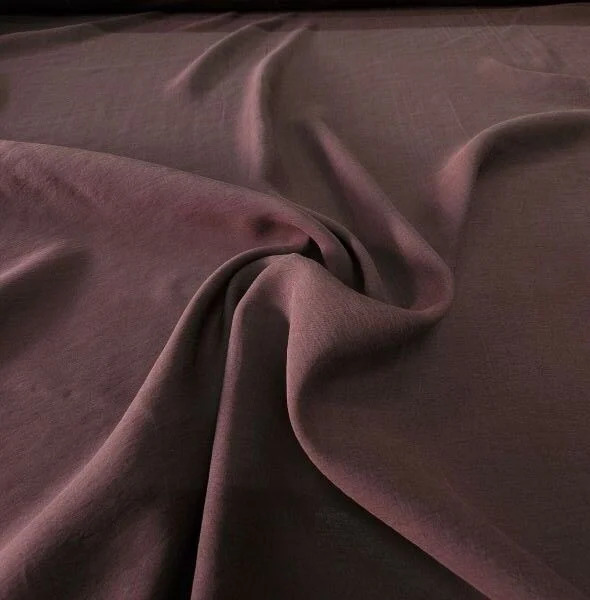
The relationship between modal fabric and sweating depends primarily on moisture management. Modal is capable of absorbing moisture produced by the body. This can help reduce the amount of perspiration that remains directly on the skin and contribute to a more comfortable wearing experience.
However, modal cannot prevent the body from sweating. Perspiration is a natural biological process that regulates body temperature. Hot weather, humidity, physical activity, metabolism and stress can all increase perspiration. The function of a fabric is not to stop this process but to help manage moisture after it forms.
When modal is used in a lightweight and breathable fabric construction, it can help reduce the sticky feeling associated with perspiration. Its smooth surface also allows the fabric to feel soft against the skin. This is one reason why modal is commonly used in underwear, loungewear and summer clothing.
Several factors influence how modal feels during warm weather:
- The weight and thickness of the fabric
- The density of the knitted or woven structure
- The percentage of modal in the composition
- Other fibres used in the blend
- The fit and design of the garment
- Air temperature and humidity
- The wearer’s level of physical activity
- Dyeing, coating and finishing treatments
The word “modal” on a garment label does not guarantee the same performance in every product. The complete composition and fabric structure should also be reviewed.
Is Modal Fabric Breathable?
Breathability refers to a fabric’s ability to allow air and water vapour to move through its structure. Modal can be used to produce breathable clothing, particularly when the fabric is lightweight and has a relatively open construction.
The moisture-absorbing structure of modal can contribute to a more balanced microclimate between the body and the garment. This helps explain why modal is commonly preferred for products worn close to the skin.
Nevertheless, breathability is not determined solely by fibre type. A thick, tightly knitted or heavily coated modal fabric may allow less air circulation. In contrast, a fine and lightweight modal fabric may feel cooler and more breathable.
For example, a modal blouse developed for summer may prioritise low weight and air permeability. A modal dress designed for autumn may use a denser construction to create a fuller appearance. Although both products contain modal, they will not provide the same thermal experience.
Finishing processes also affect breathability. Surface coatings and dense treatments may restrict airflow, while appropriate finishing can preserve the softness and fluidity associated with modal. For this reason, the entire production process should be considered.
Does Modal Fabric Absorb Sweat?
Modal can absorb moisture because of its cellulosic structure. This characteristic helps draw perspiration away from the surface of the skin and into the fabric. As a result, the wearer may experience less of the damp and sticky sensation associated with sweat.
Moisture absorption and drying speed are not the same property. Modal may absorb moisture effectively, but its drying time depends on several factors. Fabric thickness, weight, blend composition, construction and environmental conditions all influence how quickly a modal garment dries.
A modal and polyester blend, for instance, may behave differently from a fabric with a high modal percentage. Polyester may influence drying speed and durability, while modal contributes softness and moisture absorption. The correct balance depends on the intended use of the product.
Modal fabrics designed for activewear must balance moisture management, drying performance, stretch and durability. Modal used in a flowing dress may instead prioritise softness, movement and visual appearance. Therefore, the product category should always be considered.
Is Modal Fabric Suitable for Summer?
Modal can be suitable for summer when it is used in a lightweight, fine and breathable construction. Its soft texture, moisture absorption and fluid drape can support comfort during warm weather.
The colour and fit of a garment also affect how it feels in summer. Light-coloured clothing may absorb less heat from sunlight, while relaxed cuts leave more space between the fabric and the body. This space supports air circulation.
A very tight or thick modal garment may feel warm despite the properties of the fibre. Consequently, answering questions about modal fabric and sweating requires an evaluation of both fabric construction and garment design.
Modal provides several potential benefits for summer clothing:
- It feels soft and smooth against the skin.
- It can absorb moisture produced by the body.
- It can be used in lightweight fabric constructions.
- It offers a fluid and elegant drape.
- It can be adapted to various clothing categories.
- It can be blended with cotton and elastane.
- It can support comfort in close-to-skin garments.
At Marsala Textile, fabric weight, texture, colour, drape and seasonal use are evaluated together. This approach allows modal fabrics to be developed according to the requirements of summer and transitional collections.
Why Does Modal Fabric Feel Cool?
Modal may feel cool because of its smooth surface and ability to manage moisture. Perspiration that remains concentrated on the skin can create a damp and uncomfortable sensation. By absorbing this moisture, modal can help reduce that feeling.
The fluid character of modal also influences comfort. A soft and flowing fabric can move naturally with the body instead of feeling stiff or restrictive. When combined with a lightweight construction, this characteristic can create a fresher experience in warm conditions.
Garment design is also important. Relaxed silhouettes allow the fabric to move away from the skin and promote airflow. Tight garments remain in closer contact with the body and may feel warmer, even when they contain breathable fibres.
Not every modal garment will offer the same level of coolness. Dense knitted constructions, high fabric weights, surface coatings and certain finishing processes can change the final performance. Fibre content should therefore be evaluated together with the physical characteristics of the product.
How Does Fabric Construction Affect Sweating?
Fabric construction determines how yarns are arranged and how much open space exists between them. These spaces affect airflow, heat transfer and the movement of moisture. Lightweight and relatively open constructions generally allow more air circulation, while dense fabrics may retain more heat.
Knitted modal fabrics are frequently used for T-shirts, dresses, underwear, pyjamas and loungewear. Knitted structures can provide flexibility and freedom of movement. Woven modal fabrics may be preferred for shirts, blouses, trousers and flowing dresses.
Both knitted and woven modal fabrics can offer comfort when suitable yarns, weights and finishing processes are selected. Neither construction is automatically cooler than the other; the final result depends on its density and intended use.
Garment fit must also be considered. Even a breathable fabric may feel warm when the garment is extremely tight. A relaxed cut leaves room between the skin and the material, allowing more air to circulate.
Therefore, modal fabric and sweating cannot be evaluated by fibre content alone. The construction and design of the finished product are equally important.
Modal Fabric Versus Cotton
Modal and cotton share certain characteristics because both are cellulose-based. However, they differ in origin and production method. Cotton is a natural fibre obtained from the cotton plant, whereas modal is a regenerated cellulosic fibre manufactured from wood-based cellulose.
Both materials can absorb moisture and provide comfort. Modal generally has a smoother surface and more fluid drape. Cotton can offer a broad range of textures depending on the yarn, weave, knit and finishing methods used.
The main differences between modal and cotton include:
- Softness: Modal generally offers a smooth and silky touch.
- Drape: Modal fabrics often create a more fluid silhouette.
- Moisture management: Both fibres can absorb moisture.
- Surface appearance: Modal commonly has a smooth and refined surface.
- Applications: Both can be used in clothing and home textiles.
- Blending: Modal and cotton can be combined in the same fabric.
- Care: Washing requirements depend on the final fabric construction.
There is no universal answer to whether modal or cotton feels cooler. A lightweight cotton fabric may feel cooler than a thick modal material. When constructions are comparable, modal’s smooth surface and moisture-management properties can provide noticeable comfort.
Do Modal Blends Make You Sweat?
Modal can be blended with cotton, polyester, viscose and elastane. Each fibre contributes different characteristics to the finished fabric. Cotton may support absorbency and familiarity of touch, while elastane adds stretch. Polyester may improve shape retention, durability and drying performance.
The wearing experience changes according to these blend ratios. A lightweight fabric with a high modal percentage may provide comfort in warm weather. A dense fabric with a high synthetic-fibre content may offer a different moisture and heat sensation.
Elastane is frequently included in garments designed to fit close to the body. Although elastane improves flexibility, a tight garment may reduce airflow between the fabric and the skin. In this case, the wearer may feel warmer because of the garment design rather than modal itself.
Consumers should check the complete fibre composition, thickness and fit of the product. Fashion brands should select blend ratios according to the intended use. A successful blend balances softness, appearance, stretch, durability and care performance.
Where Is Modal Fabric Used?
Modal is used in products that require comfort and visual elegance. Its soft surface makes it suitable for garments worn directly against the skin, while its fluid drape adds movement to fashion designs.
Common applications include:
- T-shirts and tank tops
- Dresses and skirts
- Shirts and blouses
- Underwear
- Pyjamas and loungewear
- Casual and sports-inspired clothing
- Socks and lightweight knitwear
- Bed linen, sheets and towels
The appropriate modal fabric depends on the product category. Underwear requires a different level of stretch and surface softness from trousers or a woven dress. Fabric weight, opacity, elasticity and recovery should therefore be adjusted according to the final application.
Marsala Textile evaluates modal fabrics according to current fashion expectations, comfort requirements and design compatibility. This allows visually and functionally balanced alternatives to be created for different clothing groups.
What Should You Consider When Choosing Modal?
When considering modal fabric and sweating, begin by checking the full fibre composition. The percentage of modal, other fibres in the blend, fabric thickness and intended season can all affect comfort.
Fibre labels help consumers understand the composition of textile products. The European Union regulation on textile fibre names and related labelling provides an official framework for textile fibre names and the declaration of fibre composition.
For summer clothing, lightweight materials and relaxed designs are generally more suitable. The fabric surface should feel smooth against the skin and should not create discomfort during movement.
When shopping online, check the following information:
- Complete fibre composition
- Fabric thickness and weight
- Garment fit
- Stretch properties
- Intended season
- Care and washing instructions
For fashion brands and fabric buyers, sample evaluation is essential. The fabric should be examined before and after washing. Colour performance, dimensional stability, drape, surface appearance and wearing comfort should all be assessed.
You can also review the detailed Marsala Textile guide to modal fabric for more information about the fibre’s structure, characteristics and uses.
How Should Modal Fabric Be Washed?
Correct care helps modal fabric preserve its softness, colour and shape. The care label should always be followed because pure modal and modal blends may require different washing conditions.
General modal care recommendations include:
- Wash at the temperature stated on the label.
- Use a delicate or low-agitation programme.
- Wash similar colours together.
- Avoid excessive amounts of detergent.
- Do not use harsh bleaching products.
- Avoid very high drying temperatures.
- Do not expose the garment to intense sunlight for extended periods.
- Iron at a low or medium temperature when necessary.
Excessive heat and intense mechanical movement may affect the fabric’s dimensions or surface. Fine modal garments can also be turned inside out before washing to reduce friction. A laundry bag may provide additional protection for delicate products.
Correct washing and storage practices help modal garments maintain their smooth appearance and extend their useful life.
Conclusion
Modal fabric and sweating are connected through the fabric’s ability to absorb and manage moisture. Modal does not prevent the body from perspiring, but it can help reduce the damp and sticky sensation that occurs when sweat remains on the skin.
Lightweight, breathable modal fabrics with relaxed fits are suitable for summer clothing. However, fabric weight, construction density, blend composition, garment fit and environmental conditions must also be considered.
Modal’s smooth hand feel, fluid drape and moisture-absorbing structure make it a valuable choice for everyday clothing and comfort-focused collections. Marsala Textile brings appearance, texture and performance together when developing fabrics for different collection requirements. When the right construction is selected, modal can support both visual elegance and wearer comfort.
Frequently Asked Questions
Does modal fabric make you sweat?
Modal does not usually create an intense feeling of perspiration when used in an appropriate construction. It absorbs moisture and can support comfort. However, fabric thickness, blend composition and garment fit affect the result.
Is modal fabric breathable?
Modal can be breathable, especially when used in a lightweight and relatively open construction. Dense knitting, heavy fabric weight and surface coatings may reduce airflow.
Is modal fabric suitable for hot weather?
Yes. Lightweight and breathable modal fabrics are suitable for summer dresses, T-shirts, blouses, underwear and loungewear.
Does modal fabric absorb sweat?
Modal can absorb moisture produced by the body. This helps reduce the amount of perspiration remaining directly on the skin, although drying time depends on the complete fabric structure.
Does modal show sweat marks?
The visibility of sweat marks depends on colour, thickness, pattern and garment fit. Temporary marks may appear on very light-coloured or thin modal fabrics during heavy perspiration.
Does modal fabric retain odour?
Odour formation depends on perspiration levels, duration of wear, washing conditions and blend composition. Modal can support moisture management, but proper washing and ventilation remain necessary.
Is modal cooler than cotton?
The result depends on fabric weight and construction. Modal may provide a smoother feel and effective moisture management, while lightweight cotton may feel cooler than a thick modal fabric.
Is modal good for sensitive skin?
Modal is commonly used in close-to-skin garments because of its soft and smooth surface. People with sensitive skin should also check dyes, finishing treatments, certifications and care instructions.
Does modal fabric shrink?
Modal may experience dimensional changes if exposed to unsuitable washing temperatures or excessive heat. Following the care label helps reduce this risk.
Does modal fabric pill?
Pilling depends on yarn quality, blend composition, friction and finishing. High-quality modal fabrics cared for correctly can maintain a smooth surface for longer.
Is modal fabric stretchy?
Modal offers fluid movement but is not necessarily highly elastic. It is often blended with elastane when additional stretch and recovery are required.
Is modal a type of polyester?
No. Modal is a regenerated cellulosic fibre produced from wood-based cellulose. Polyester is a synthetic fibre. However, the two fibres can be blended in the same fabric.