
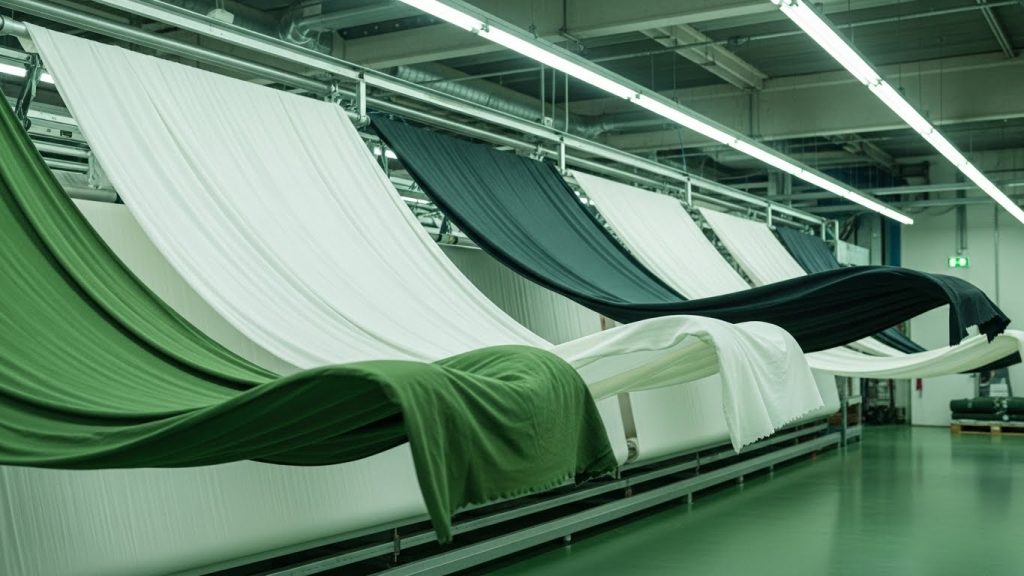
Recycled fabric is an environmentally friendly textile material obtained by reprocessing textile waste or previously used fibers through modern recycling technologies. Sustainability is no longer just a trend; it has become a strategic necessity that defines the future of the textile industry. As fashion brands, manufacturers, and consumers make more conscious choices to reduce environmental impact, recycled fabric has emerged as one of the most effective solutions for lowering carbon footprints and minimizing resource consumption.
The growing share of the textile industry in global waste generation forces brands to rethink their production processes. At this point, companies like Marsala that invest in sustainable production models strengthen their environmental approach by offering textile products made from high-quality recycled fabrics. Recycled cotton, recycled polyester (rPET), and other eco-friendly fabric types provide strong advantages in terms of both performance and environmental impact.
Table of Contents
- How is recycled fabric produced?
- Types of recycled fabrics
- Advantages of recycled fabrics
- The role of recycled fabric in sustainable textile trends
- Why is recycled polyester (rPET) becoming more prominent?
- Properties of recycled cotton fabric
- Circular economy in the textile industry
- Why are brands shifting toward recycled fabrics?
- Conclusion
- Frequently Asked Questions

How Is Recycled Fabric Produced? Step-by-Step Production Process
The production of recycled fabric differs from traditional textile manufacturing as it focuses on reprocessing discarded materials. The process follows a multi-stage structure that delivers strategic benefits such as energy savings and reduced environmental impact. Production can involve both mechanical and chemical recycling methods. While mechanical recycling is more common, chemical recycling enables the production of fibers with higher purity.
Mechanical Recycling Process
The mechanical method involves physically breaking down waste fabrics and converting them back into fibers. This method is especially common in recycled cotton production. After the fibers reach a specific length standard, they are spun into yarn using modern spinning technologies.
Chemical Recycling Process
Chemical recycling is primarily used in the production of rPET. Plastic bottles or polyester waste are dissolved using chemical solvents to produce high-purity polymers. The resulting material can then be reused as polyester yarn. This process provides more controlled quality, which is why sustainable fashion brands frequently prefer chemical recycling for high-performance technical textiles.
Key Steps in Recycled Fabric Production
- Collection and classification of waste materials
- Cleaning and removal of foreign substances
- Mechanical or chemical fiber recycling
- Yarn production
- Fabric formation through weaving, knitting, or nonwoven techniques
- Finishing processes to achieve the final fabric properties
Textile manufacturers such as Marsala improve the efficiency of recycled fabric processing through electronic sorting systems and low-water-consumption finishing lines. In this way, natural resources are preserved while high quality standards are maintained.
Types of Recycled Fabrics: Polyester, Cotton, and Other Eco Fabrics
Recycled fabric categories cover a wide range of fibers. The most common materials are recycled cotton, recycled polyester (rPET), and recycled blended fibers. These fabrics are widely used in fashion, home textiles, technical textiles, and sportswear.
Recycled Polyester (rPET)
This is the most widely used type of recycled fabric worldwide. PET bottles, packaging materials, and polyester waste are transformed into new fibers. rPET fabrics are both durable and energy-efficient.
Recycled Cotton
Produced from cutting scraps and used cotton textiles, recycled cotton offers an environmentally friendly alternative to conventional cotton production, which requires significant water consumption.
Eco Fabrics from Blended Fibers
Cotton–polyester blends can be reprocessed to deliver softness, durability, and cost efficiency at the same time.
Advantages of Recycled Fabrics
Recycled fabrics offer significant benefits for both manufacturers and consumers, as they deliver environmentally and economically positive outcomes.
- Water consumption is significantly lower compared to conventional fabrics.
- They save energy and reduce the carbon footprint of production.
- They prevent textile waste from entering the environment.
- They enable more cost-efficient manufacturing processes.
- They support brands’ sustainability goals.
These advantages explain why brands like Marsala continue to increase the use of recycled fabrics in their production planning.
Recycled Fabric in Sustainable Textile Trends
Sustainability has become a strategic priority in the fashion industry. Consumers increasingly consider the environmental impact of the products they purchase, which drives brands to include recycled fabrics more frequently in their collections.
Global fashion brands accelerate this transformation through collections made with rPET and recycled cotton. The combination of minimalist design and eco-friendly materials defines the identity of next-generation fashion.

Why Is Recycled Polyester (rPET) So Popular?
The main reason rPET stands out in textiles is its ability to offer an ideal balance between performance and sustainability. Since polyester accounts for a large share of global fiber production, its recycled version significantly reduces the overall carbon footprint.
Key advantages of rPET include:
- High durability
- Low water consumption
- Lightweight and flexible structure
- Cost-efficient production
For this reason, Marsala’s use of rPET in performance-oriented fabrics represents a strategic choice.
Properties and Uses of Recycled Cotton Fabric
Recycled cotton is particularly preferred in everyday clothing and home textiles due to its soft texture and breathable structure. The significant reduction in water consumption during production makes this fabric one of the most valuable materials in sustainable textiles.
Its common applications include t-shirts, sweatshirts, towels, baby products, and bed linens. Marsala’s preference for recycled cotton in its baby collections reflects a commitment to both safety and environmentally responsible production.
Circular Economy in the Textile Industry
The circular economy is a production model designed to minimize waste throughout a product’s lifecycle by maximizing reuse. As the textile industry transitions toward this model:
- Textile waste is converted into valuable raw materials
- Reuse rates in production increase
- Water and energy demand decreases
- Carbon emissions are reduced
Marsala’s integration of circular economy principles into its production processes is a core component of its sustainability vision.
Why Are Brands Shifting Toward Recycled Fabrics?
Brands are increasingly adopting recycled fabrics for four main reasons: sustainability goals, consumer expectations, cost advantages, and brand image. Today’s consumers place greater value on environmentally responsible brands.
By placing recycled fabrics at the center of their collections, sustainability-driven brands like Marsala create long-term transformation within the textile industry.
Conclusion
Recycled fabric is one of the most influential materials shaping the sustainable future of the textile industry. It optimizes resource use, reduces environmental impact, and provides brands with a strong eco-conscious identity. Marsala’s active use of recycled fabrics in its production processes is a tangible reflection of its commitment to sustainable textiles.
Frequently Asked Questions
- Is recycled fabric safe?
Yes. When produced according to proper manufacturing standards, recycled fabrics are completely safe and are monitored by various international certification systems. - Is rPET polyester durable?
Yes. rPET is as durable as conventional polyester and has a lower environmental impact. - Is recycled cotton natural?
Yes. Its source consists entirely of cotton textiles, and it retains its breathable, natural structure. - Which brands use recycled fabrics?
Many global fashion brands use recycled fabrics. In Türkiye, Marsala stands out in this field. - Are garments made from recycled fabric long-lasting?
Yes. When produced using appropriate techniques, recycled fabric products are highly durable