
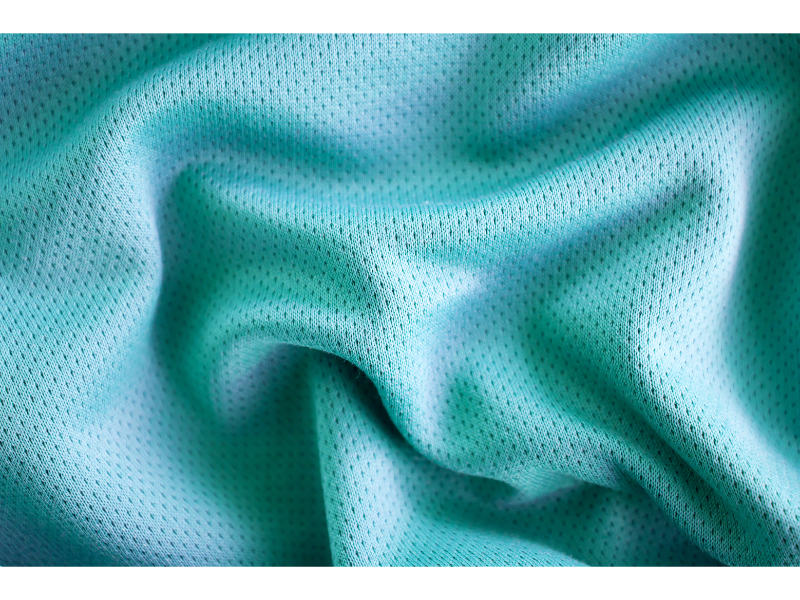
Elastane fabric is one of the most innovative materials in today’s textile world. Comfort, mobility, and durability have become essential qualities in modern clothing. Especially for individuals with an active lifestyle, flexibility in garments is no longer a choice but a necessity.
At this point, the superior stretch and adaptability of elastane fabric come into play. This special fabric offers unmatched comfort and performance in both sportswear and everyday clothing.
As expectations for high performance, body fit, and long-lasting use increase, demand for elastane-based fabrics continues to rise. This fabric combines fashion and functionality, making it an essential part of modern textiles.
At Marsala Textile, we meet this demand with an innovative approach. Our advanced production technologies and premium raw materials enable us to manufacture fabrics for a wide range of applications.
Our products remain a strong choice in both domestic and international markets. With our many years of experience in the industry, we provide not only fabric but also trust, quality, and sustainability to our customers.
Table of Contents
- What Is Elastane Fabric?
- Types of Elastane Fabric
- Properties of Elastane Polyester Fabric
- Where Is Elastane Fabric Used?
- Does Elastane Fabric Cause Sweating?
- Elastane Fabric Prices
- Frequently Asked Questions
- Conclusion
What Is Elastane Fabric?
Elastane fabric is made from a synthetic fiber known for its stretchability. This fiber is often blended with other natural or synthetic materials such as polyester, cotton, or viscose in the textile industry. When produced in a blended form, the fabric becomes both durable and flexible.
Thanks to this property, elastane offers a snug fit without causing discomfort. It does not restrict the wearer’s movements. On the contrary, it allows natural stretching and creates maximum comfort. This makes elastane indispensable, especially in sportswear and underwear products.
It is not only used in performance clothing but also widely preferred in everyday wear. From t-shirts to pants, dresses to leggings, elastane fabric is chosen for many garments. It maintains its shape for a long time. After stretching, it returns to its original form.
It is also resistant to wrinkling and easy to care for. For this reason, it offers a practical option for both manufacturers and end users. Elastane fabric is one of the innovative solutions modern textiles provide. It successfully meets expectations in both aesthetic and functional terms.
Types of Elastane Fabric
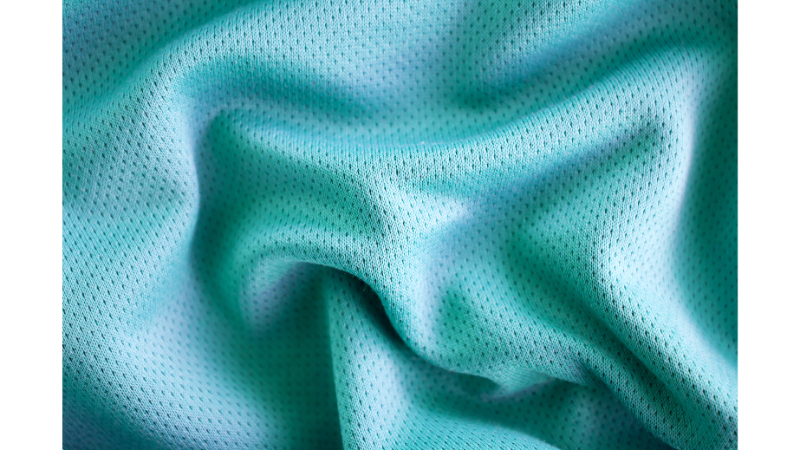
Elastane fabrics are produced in different types depending on the fiber they are blended with and their intended use. Each type offers specific features that meet various needs and expectations. Thanks to this diversity, elastane fabric is used across a wide range of products.
Cotton elastane is one of the most commonly preferred types in everyday clothing and underwear. When the breathable structure of cotton fibers combines with the stretchability of elastane, the result is a highly comfortable fabric. This type is skin-friendly and provides all-day comfort.
Polyester elastane is especially used in sportswear and performance-focused products. When polyester’s durability is combined with elastane’s flexibility, the result is a long-lasting fabric that maintains its shape. These fabrics withstand frequent washing and dry quickly.
Viscose elastane fabric stands out with its soft and flowing texture. That’s why it is often used in elegant and comfortable garments like dresses, skirts, and blouses. Viscose fibers feel pleasant on the skin. The elastane component gives the fabric a stretchy, form-fitting structure.
Two-yarn elastane fabric is prominent in casual and sporty clothing. It is frequently used in jogger pants, sweatpants, and oversized tops. This type of fabric offers both a stylish and comfortable appearance.
Properties of Elastane Polyester Fabric
Elastane polyester fabric is a high-performance textile product created by combining two strong fibers. It brings together the durability of polyester and the flexibility of elastane. This combination offers both strength and comfort in a single fabric.
The most notable feature of this fabric is its high resistance to wrinkling. Even with daily use, the fabric retains its shape. It requires minimal ironing. This provides practicality for the user.
Its quick-drying nature makes it essential in sportswear. It does not retain sweat. Moisture does not stay on the fabric surface for long. This provides a dry and fresh wearing experience.
In terms of long-term use, elastane polyester fabric offers great advantages. It does not deform, stretch out, or sag after washing. It maintains its shape and structure for a long time. Colors do not fade, and the surface does not wear out.
The fabric provides extra comfort during movement. It adapts to the wearer’s body and increases mobility. That’s why athletes prefer this fabric during training. Its high stretchability becomes a factor that supports performance.
Sportswear manufacturers favor elastane polyester fabric because of these advantages. It is commonly used in leggings, tracksuits, and athletic t-shirts. This fabric delivers both durability and a stylish appearance at the same time.
Where Is Elastane Fabric Used?
Thanks to its flexibility and durability, elastane is used across many industries. Its adaptable structure easily meets various needs, expanding its range of applications day by day. Today, it plays an important role in both the fashion world and technical textiles.
- The sportswear industry is one of the most common fields where elastane is used. It is frequently preferred in leggings, shorts, sports bras, and upper body garments. The fabric fits the body without restricting movement. Its breathable and lightweight structure provides comfort during workouts.
- In underwear products, elastane is highly functional. It is used in bras, tank tops, briefs, and boxers to offer both comfort and shape retention. Elastane helps the fabric conform closely to the body. It also prevents deformation over long-term use.
- The fashion industry benefits creatively from the advantages of elastane. In tight-fitting designs like skinny jeans, bodysuits, and dresses, elastane is indispensable. The fabric combines elegance and comfort. This makes it a highly preferred choice among consumers.
- In medical textiles, the elasticity of elastane is especially important. Supportive products like orthopedic corsets, back braces, knee supports, and wristbands often use elastane-based fabrics. These materials adapt to body contours while applying stable pressure. They provide both support and comfort.
- Elastane also finds a place in home textiles. Stretchable sofa covers, mattress protectors, and flexible throws are produced using this fabric. Its elastic structure allows easy adaptation to furniture. It also helps the products maintain their shape for a long time.
Does Elastane Fabric Cause Sweating?
100% elastane typically has a non-breathable structure. This makes it harder for the body to breathe. As a result, it can lead to sweating. This becomes more noticeable in hot weather or during physical activity.
However, elastane is rarely used alone. It is usually blended with natural and breathable fibers such as cotton, viscose, modal, or bamboo. These combinations provide elasticity while improving air permeability. This allows the skin to breathe more easily and helps reduce sweating.
Cotton-elastane fabrics offer a well-balanced structure in terms of breathability. Blends with viscose or modal provide softness and a cooling sensation. As a result, garments made with elastane can offer both comfort and breathability without causing excessive sweating.
So whether elastane causes sweating depends largely on the other fibers it is blended with. Fabric weight, weave density, and the quality of the yarn used also play key roles in this matter.
Elastane Fabric Prices
Elastane does not have a fixed price. Prices vary depending on several technical and commercial factors. The structural properties of the product and its production processes are among the key variables.
One of the most important factors that determine the price is the blend ratio. For example, there can be a significant price difference between a fabric containing 5% elastane and 95% cotton and another fabric containing 20% elastane. As the elastane content increases, the fabric becomes more elastic. This directly impacts production costs.
The second critical factor is the fabric’s weight, measured as grams per square meter. Heavier fabrics contain more raw material. This increases both cost and price.
Colorfastness also affects pricing. It indicates how well the fabric retains its color after washing and use. Fabrics that resist fading contain higher-quality dyes. This raises production costs.
Dimensional stability whether the fabric shrinks or loses its shape after washing is another key pricing factor. These fabrics are made using advanced manufacturing techniques. This influences their final cost.
Production methods, whether the fabric is knitted or woven, yarn quality, and machine settings also play a role in pricing. Fabrics produced with high technology, free of defects, and suitable for mass production can offer more competitive prices.
Frequently Asked Questions
Does elastane fabric shrink when washed?
This fabric will not shrink if the correct washing instructions are followed. High temperatures should be avoided.
Can elastane fabric be ironed?
Ironing at low heat and from the reverse side is recommended.
Which fabric types blend well with elastane?
Fibers such as cotton, polyester, viscose and modal are compatible with elastane.
In which countries is elastane fabric produced?
It is produced in many countries, especially Turkey, China, India and Italy.
Conclusion
In conclusion, elastane fabric has become indispensable in the modern textile industry. Thanks to its versatile advantages, it attracts strong interest from both manufacturers and consumers.
It offers users freedom of movement through its flexibility. At the same time, it adapts to the body. This makes garments not only stylish but also functional. Its durable structure allows for long-term use. It retains its form after washing and resists changes in color and texture.
With these features, elastane is not limited to sportswear or underwear. It is used in everyday fashion, medical textiles, home products, and performance garments. It brings flexibility and comfort to a wide range of applications.
To learn more about elastane fabric, feel free to visit our website. You can explore all our products in detail and access technical specifications easily. You can also discover our tailored solutions for various areas of use.
Don’t forget to check out our blog page to read more of our articles.